
Topics
Discussing Next-Generation Fuel Readiness and Maritime Decarbonisation
— Participation in Panel Discussion at Sea Japan 2026 —
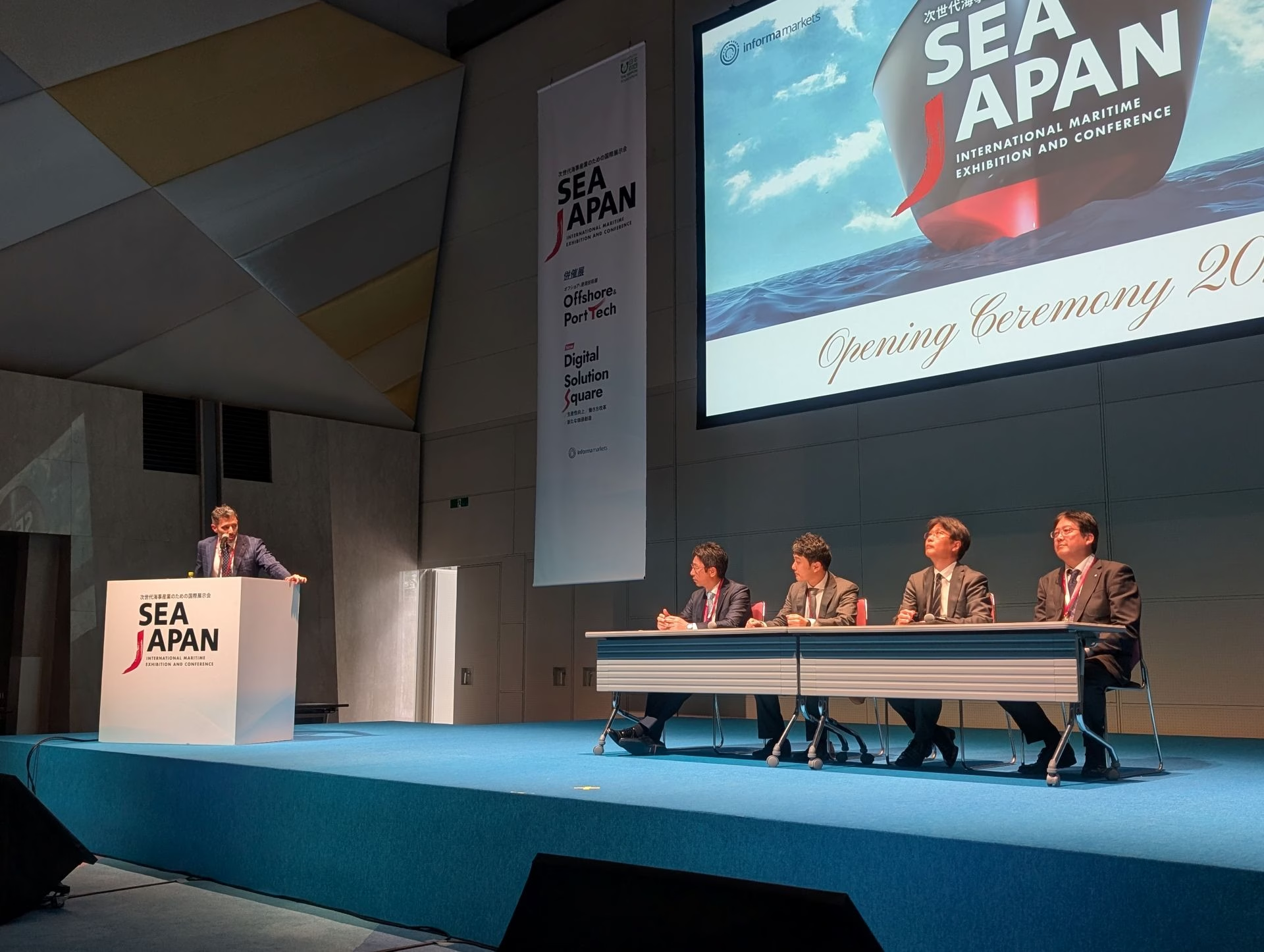
22 April 2026 – At Sea Japan 2026, held at Tokyo Big Sight, SEKI Kazutaka, General Manager of Ship Planning Department, Design Division at TSUNEISHI SHIPBUILDING Co., Ltd., participated as a panellist in “Session 2: Panel Discussion: Toward Zero Carbon Shipping – Where Do We Go from Here?”. The session was organised by the Maersk Mc-Kinney Møller Center for Zero Carbon Shipping (MMMC).
Under the theme “Panel I. Center × Fuels & Technology”, the panel brought together experts from shipyards, engine manufacturers and related sectors to examine key challenges and potential pathways towards maritime decarbonisation. Discussions focused on the importance of cross-industry collaboration and practical approaches to advancing next-generation fuel readiness.
Ship Design Approaches for Next-Generation Fuel Readiness
The discussion addressed how ship design must evolve in response to the growing diversity of alternative fuel options and ongoing uncertainty surrounding future fuel pathways.
Mr SEKI highlighted the challenges faced by customers when making investment decisions amid uncertainties related to fuel availability, pricing and future regulatory developments. He noted that, “when factors such as fuel supply, pricing and future carbon costs remain uncertain, customers tend to view the risks of adoption as outweighing the potential benefits.”
Against this backdrop, he emphasised the importance of adopting a long-term perspective on vessel lifecycles, stating that, “flexible designs capable of accommodating fuel conversion and retrofitting will be essential.”
He also introduced retrofit studies conducted jointly with MMMC, which explore pathways for converting existing vessels to alternative fuels. Insights gained through these initiatives contributed to his participation as a panellist.
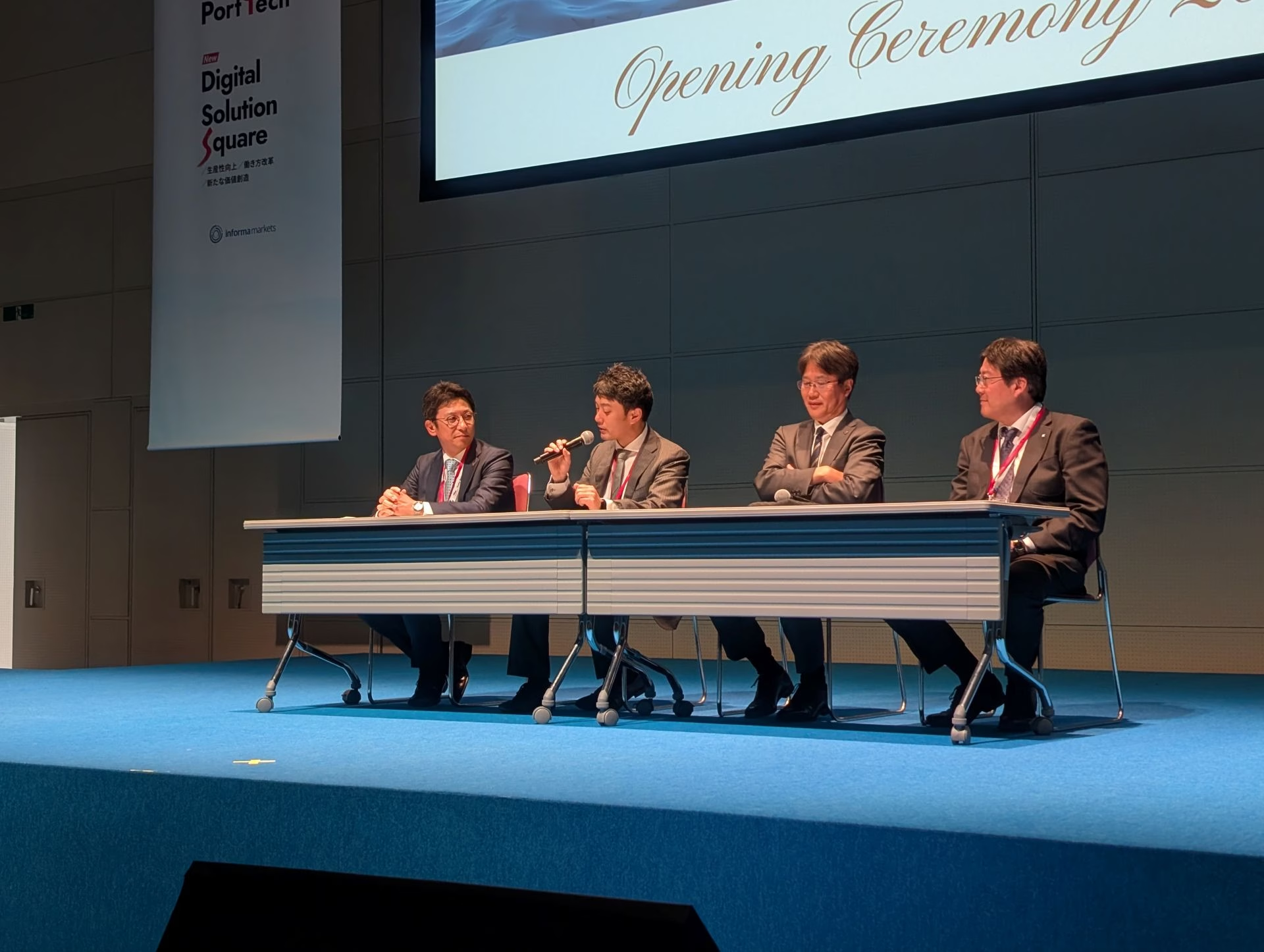
SEKI participating in the panel discussion at Sea Japan 2026 (second from left)
The Importance of Risk Sharing and Industry Collaboration
In response to a question from the moderator regarding the challenges of advancing the real-world implementation of decarbonisation technologies, Mr SEKI stressed the importance of collective action. He commented:
“Progress in decarbonisation cannot be achieved by individual companies acting alone. It requires shipowners, shipyards, equipment manufacturers and fuel suppliers to collaborate within a shared framework – one in which risks, opportunities and responsibilities are collectively managed, and where vessels are designed to deliver value that exceeds the risks associated with adoption.”
In closing, the moderator underlined that industry-wide collaboration, along with knowledge-sharing through demonstration projects, will be critical to accelerating maritime decarbonisation.
Toward Maritime Decarbonisation
The session reaffirmed that advancing maritime decarbonisation will require not only technological innovation, but also risk sharing, adaptable ship design philosophies, and close collaboration across the industry.
TSUNEISHI SHIPBUILDING will continue contributing to the sustainable development of the maritime sector and the realisation of a decarbonised society through forward-looking ship design that anticipates fuel transitions and evolving regulatory requirements.


